
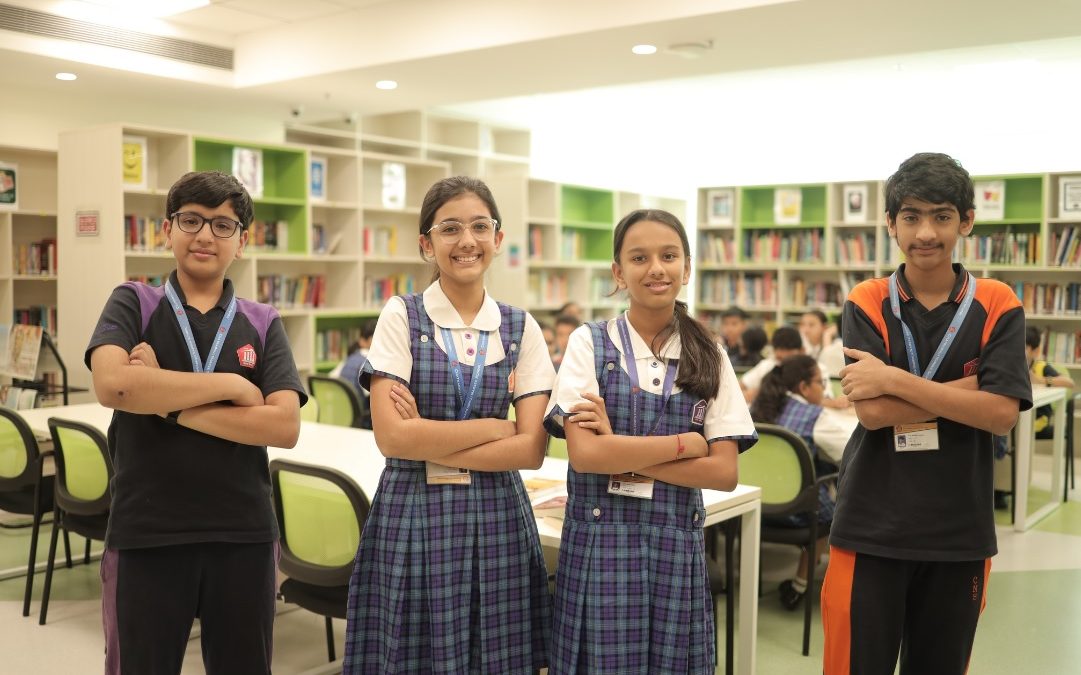

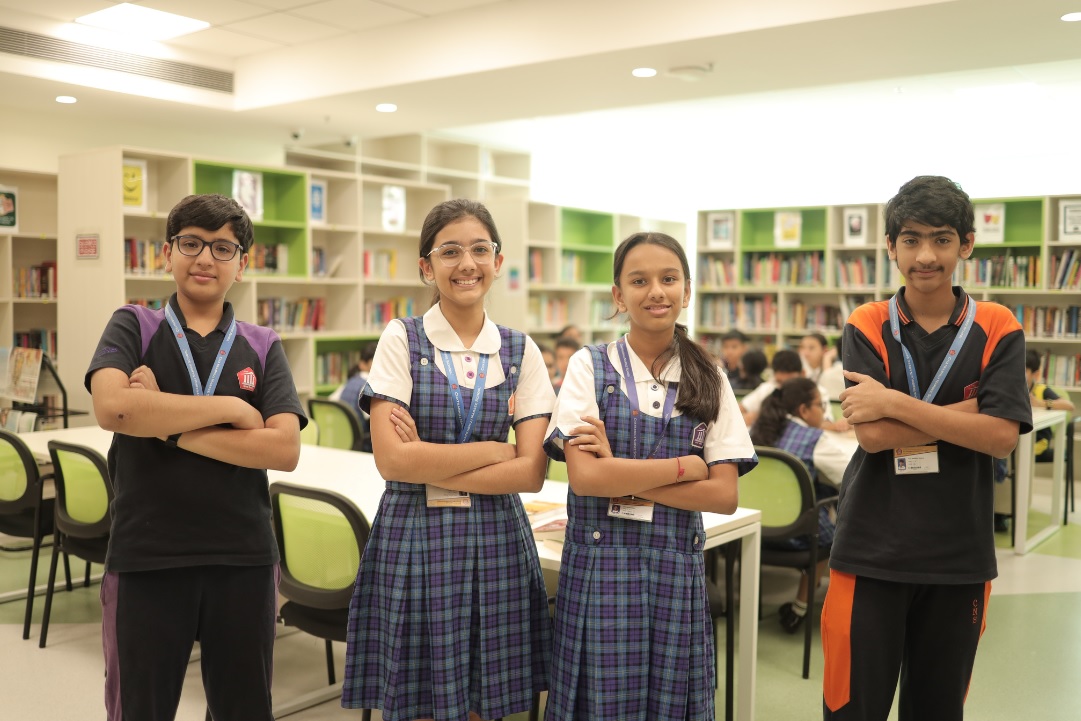
Choosing the right school is one of the most important decisions a parent can make. With a growing demand for global education, many families today are exploring IB schools in Mumbai as a strong option for their child’s academic and personal development. The International Baccalaureate (IB) framework is known for its holistic, inquiry-based approach that prepares students for a rapidly changing world.
When researching IB schools in Mumbai, it’s essential to understand what sets this curriculum apart. Unlike traditional systems, IB focuses on developing critical thinking, creativity, and global awareness. Students are encouraged to ask questions, explore real-world connections, and become independent learners. This makes IB an excellent choice for parents who want their children to gain more than just textbook knowledge.
One of the key components parents should pay attention to is the IB middle years programme. Designed for students aged 11 to 16, this programme acts as a bridge between foundational learning and advanced academic study. It emphasizes inquiry-based learning, helping students connect classroom concepts with real-life situations. The curriculum is flexible and concept-driven, allowing schools to integrate local context while maintaining global standards.
The ib middle years programme also focuses on developing essential life skills. Students engage in interdisciplinary learning across subjects such as sciences, mathematics, languages, arts, and design. This balanced structure ensures that children grow academically, socially, and emotionally. Moreover, the programme encourages community engagement and personal projects, helping students build confidence and a sense of responsibility.
As a parent, evaluating the teaching approach is crucial when selecting from IB schools in Mumbai. Look for schools that emphasize inquiry-based learning rather than rote memorization. Classrooms should be interactive, with teachers acting as facilitators rather than just instructors. This approach nurtures curiosity and helps students develop problem-solving skills that are essential for future success.
Another important factor to consider is the school’s overall environment. A good IB school will foster a positive and inclusive culture where students feel motivated and supported. Pay attention to how the school encourages collaboration, communication, and respect for diverse perspectives. These values are at the core of the IB philosophy and play a significant role in shaping well-rounded individuals.
Infrastructure and resources also matter. While IB education is more about approach than facilities, access to modern learning tools, libraries, laboratories, and creative spaces can enhance the overall experience. Additionally, extracurricular activities such as sports, arts, and community service should be integrated into the curriculum to support holistic development.
Parents should also consider the continuity of the IB programme. Many IB schools in Mumbai offer a full continuum, starting from early years to the diploma level. This ensures a seamless educational journey where students can grow within a consistent framework. It also helps children adapt better, as they are already familiar with the IB style of learning.
Communication between parents and schools is another key aspect. The right school will keep parents actively involved in their child’s progress through regular updates, feedback sessions, and open communication channels. This partnership plays a vital role in supporting a child’s educational journey.
Finally, it’s important to visit shortlisted schools and interact with teachers and staff. Observing classroom environments and understanding the school’s philosophy firsthand can provide valuable insights that go beyond brochures or websites.
In conclusion, choosing among IB schools in Mumbai requires careful consideration of curriculum, teaching approach, environment, and overall development opportunities. The ib middle years programme plays a crucial role in shaping students during their formative years, equipping them with skills that go beyond academics. By focusing on these factors, parents can make an informed decision and ensure their child receives a truly enriching and future-ready education.
