
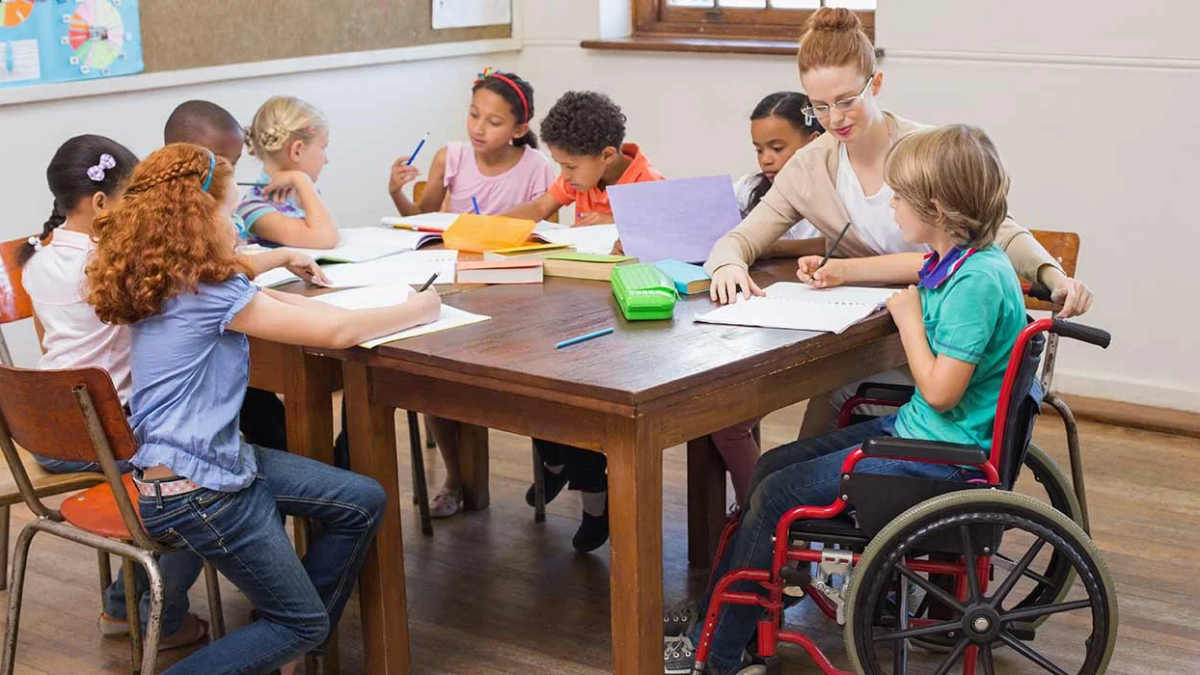

Inclusive school practices play a central role in improving student participation, engagement, and academic success. When schools intentionally create environments where every student feels respected, supported, and capable of contributing, participation naturally increases across classrooms and grade levels.
Participation is not limited to raising hands during lessons. It includes collaboration, confidence in expressing ideas, willingness to ask questions, involvement in school activities, and consistent attendance. Inclusive practices help students feel that their voices matter and that they belong within the learning community.
This article explores practical strategies schools can implement to strengthen participation through inclusive teaching methods, supportive environments, and thoughtful leadership approaches.
Understanding the Connection Between Inclusion and Participation
Participation improves when students feel psychologically safe, academically supported, and socially accepted. Inclusion creates these conditions by ensuring that students of all backgrounds and abilities have equal opportunities to engage in learning.
Inclusive schools recognize diversity in:
- Learning abilities
- Cultural backgrounds
- Language proficiency
- Socioeconomic experiences
- Physical needs
- Emotional development
- Identity and expression
When students feel valued instead of compared, they are more willing to participate actively.
Participation increases when classrooms move from teacher-centered instruction to student-centered learning environments.
Creating Welcoming Classroom Environments
Students participate more when classrooms feel safe and predictable. Teachers play a major role in shaping this environment through language, expectations, and routines.
Welcoming classrooms often include:
Visible representation of diversity
Posters, reading materials, and learning examples should reflect different cultures, languages, and perspectives.
Respectful communication expectations
Students should understand that listening respectfully is as important as speaking.
Flexible seating arrangements
Group seating encourages collaboration and reduces participation anxiety.
Structured routines
Clear expectations help students feel comfortable contributing without fear of mistakes.
When students trust their environment, participation becomes natural rather than forced.
Using Flexible Instructional Strategies
Students learn in different ways. Inclusive instruction recognizes that participation looks different for each learner.
Teachers can support engagement by offering multiple ways to interact with content.
Examples include:
- Visual learning supports
- Hands-on activities
- Small-group discussions
- Peer collaboration
- Written reflections
- Digital response tools
Flexible instruction allows students to demonstrate understanding without relying on a single participation method.
This approach benefits both struggling learners and advanced students.
Encouraging Student Voice in Learning
Students participate more when they feel ownership of their learning process. Giving students opportunities to express opinions increases confidence and responsibility.
Teachers can promote student voice through:
Choice-based assignments
Allow students to select topics, formats, or presentation styles.
Classroom discussions
Encourage respectful debate and idea sharing.
Student feedback opportunities
Invite suggestions about lesson pacing and activities.
Leadership roles
Assign classroom responsibilities that rotate among students.
When students feel heard, they invest more effort in participation.
Supporting Multilingual Learners
Language barriers can prevent students from participating even when they understand the material.
Inclusive schools create strategies that support multilingual learners without isolating them.
Effective supports include:
- Visual vocabulary supports
- Sentence starters for discussions
- Peer language partners
- Simplified instructions without reducing expectations
- Opportunities to respond in multiple formats
Participation increases when language support removes fear of making mistakes.
Students gain confidence when they know communication attempts are valued.
Adapting Instruction for Students with Diverse Learning Needs
Students with different learning needs often participate less when instruction remains rigid.
Inclusive schools provide flexible pathways that support access to learning.
Examples include:
- Adjusted pacing when necessary
- Alternative assignment formats
- Assistive technology tools
- Clear visual instructions
- Guided participation structures
Participation improves when students are not expected to fit one instructional style.
Instead, instruction adapts to student needs.
Strengthening Peer Collaboration Opportunities
Peer collaboration encourages participation by reducing performance pressure.
Students often feel more comfortable sharing ideas with classmates before speaking in front of the entire class.
Schools can support collaboration through:
Structured group roles
Assign responsibilities such as facilitator, recorder, or presenter.
Partner learning activities
Encourage shared problem-solving.
Peer mentoring systems
Older students can support younger learners.
Project-based learning experiences
Collaborative projects encourage communication and engagement.
Participation increases when learning becomes a shared responsibility.
Building Inclusive Assessment Practices
Traditional participation grading systems sometimes reward only confident speakers. Inclusive assessment recognizes multiple participation styles.
Schools can evaluate participation through:
- Reflection journals
- Group contributions
- Creative responses
- Digital participation tools
- Project involvement
- Classroom engagement observations
Inclusive assessment allows more students to demonstrate involvement meaningfully.
Students become more willing to participate when evaluation methods feel fair.
Promoting Teacher Awareness and Cultural Responsiveness
Teachers influence participation through expectations, communication style, and cultural awareness.
Culturally responsive classrooms:
- Value diverse perspectives
- Avoid assumptions about student ability
- Encourage identity expression
- Integrate multicultural examples into lessons
- Recognize different communication styles
Participation improves when students see their identities respected within academic spaces.
Teacher awareness strengthens classroom trust.
Supporting Social and Emotional Development
Participation depends heavily on confidence and emotional safety.
Students who feel anxious or disconnected often avoid engagement even when capable.
Schools can strengthen emotional support by:
Teaching communication skills
Help students learn how to express ideas respectfully.
Modeling empathy
Teachers demonstrate inclusive listening behaviors.
Encouraging growth mindset language
Mistakes become part of learning rather than sources of embarrassment.
Providing counseling access
Support services improve classroom readiness.
Emotionally supported students participate more consistently.
Creating Inclusive Extracurricular Opportunities
Participation extends beyond classroom instruction.
Clubs, activities, and school events should reflect inclusive values.
Schools can improve extracurricular participation by:
- Offering diverse activity options
- Removing participation barriers
- Encouraging student-led initiatives
- Supporting adaptive sports programs
- Providing transportation assistance when possible
Extracurricular engagement strengthens confidence that transfers into classroom participation.
Students who feel connected outside class are more engaged inside class.
Encouraging Family and Community Engagement
Families play a major role in student participation habits.
Inclusive schools create communication systems that welcome families from all backgrounds.
Examples include:
- Multilingual communication materials
- Flexible meeting schedules
- Virtual participation options
- Parent workshops
- Community partnership programs
Students participate more when families feel connected to the school environment.
Family involvement reinforces learning expectations at home.
Providing Professional Development for Educators
Inclusive participation improves when educators receive ongoing training.
Professional learning opportunities help teachers:
- Recognize participation barriers
- Use inclusive instructional strategies
- Support diverse learners effectively
- Strengthen classroom communication practices
- Implement collaborative learning techniques
Continuous teacher development strengthens long-term inclusion outcomes.
Schools that invest in training often see measurable improvements in engagement levels.
Using Technology to Support Inclusive Participation
Technology can remove barriers that limit classroom interaction.
Digital tools support participation by offering alternative communication channels.
Examples include:
- Interactive polling tools
- Shared digital discussion boards
- Voice recording responses
- Captioned instructional videos
- Accessible reading platforms
Technology allows students to participate comfortably while building confidence over time.
Inclusive technology expands access rather than replacing instruction.
Building Schoolwide Inclusion Policies
Participation improves most when inclusion becomes a schoolwide commitment rather than a classroom-level effort.
Effective schoolwide inclusion strategies include:
- Clear participation expectations
- Inclusive curriculum planning
- Staff collaboration systems
- Student support teams
- Accessible learning environments
Consistency across classrooms strengthens student confidence.
Students engage more when expectations remain stable throughout the school experience.
FAQ Section
How do inclusive school practices affect academic performance?
Inclusive environments increase confidence, engagement, and persistence, which directly support stronger academic outcomes across subjects.
What role do school leaders play in improving participation through inclusion?
School leaders shape policies, allocate resources, and support teacher training that make inclusive participation strategies sustainable across classrooms.
Can inclusive participation strategies benefit high-achieving students?
Yes. Inclusive practices encourage deeper thinking, collaboration, and leadership opportunities that challenge advanced learners as well.
How can schools measure improvements in participation levels?
Schools can monitor attendance trends, classroom engagement observations, student surveys, and assignment completion rates to evaluate participation growth.
What challenges do schools face when implementing inclusive participation strategies?
Common challenges include limited resources, training gaps, scheduling constraints, and the need for consistent communication among staff members.
How can student leadership programs support inclusive participation?
Leadership programs give students opportunities to represent peers, share ideas, and contribute to school decisions, strengthening overall engagement.
Why is consistency important in inclusive participation practices across grade levels?
Consistent expectations help students feel secure and confident as they move between classrooms, which supports long-term participation habits.
