
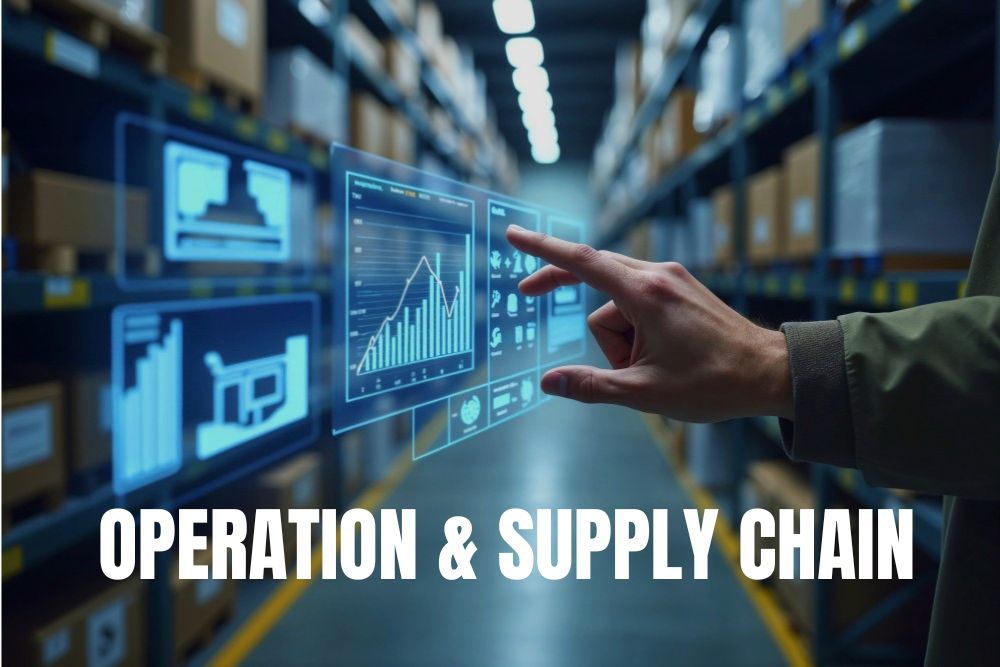

Every parcel that arrives on time, every supermarket shelf that’s stocked, every piece of medical equipment that reaches a hospital when it’s needed — all of it depends on a supply chain running properly behind the scenes. It’s an industry most people never think about until something goes wrong, yet it’s also one of the fastest-growing and most consistently in-demand sectors in Australia. For anyone looking for practical, well-paid work with genuine career progression, a Certificate III in Supply Chain Operations is proving to be one of the more overlooked opportunities available.
Global disruptions over the past few years exposed just how fragile — and how essential — supply chains really are. Businesses learned the hard way that skilled logistics and supply chain staff aren’t a “nice to have,” they’re critical infrastructure. That shift in awareness has translated directly into demand for trained workers who understand how goods actually move from origin to destination.
Supply Chain Work Has Changed Dramatically
The image of warehouse work as purely manual labour is well out of date. Modern supply chain operations involve inventory management systems, barcode and RFID tracking technology, safety compliance protocols, and increasingly complex coordination between suppliers, transport providers and end customers. Automation has changed how goods are handled, but it hasn’t removed the need for people — it’s changed what skills those people need.
This is exactly why formal training has become more valuable rather than less. Employers need staff who understand how to operate within these systems, follow safety procedures around machinery and stock handling, and troubleshoot issues when shipments or inventory don’t go to plan. Someone who’s simply “picked up” warehouse experience without structured training often lacks the systems knowledge that modern logistics operations depend on.
What a Supply Chain Operations Course Covers
A well-designed supply chain operations course typically includes training across several core areas:
- Receiving, storing and dispatching goods in line with organisational procedures
- Using inventory management and warehouse management systems
- Workplace health and safety specific to warehousing and logistics environments
- Safe operation of manual handling equipment and basic machinery
- Stock control, including stocktaking and discrepancy resolution
- Understanding transport and distribution processes across the supply chain
This combination of practical and systems-based training means graduates aren’t just capable of following instructions — they understand why processes exist, which makes them far more adaptable when problems arise or when they move between different types of supply chain environments.
Who Tends to Thrive in This Pathway
Supply chain and logistics roles attract a genuinely broad range of people, and the entry-level accessibility of this qualification is a major part of why. Common candidates include:
- People seeking stable, physically active work with clear structure
- Career changers moving from declining or unstable industries
- New arrivals to Australia building local employment history in a sector with high demand
- School leavers who prefer hands-on, practical training over classroom-heavy study
- Existing warehouse or logistics staff seeking formal recognition of their skills
For many in this list, the appeal isn’t just the job itself — it’s the reliability of the industry. Supply chain and logistics work doesn’t disappear during economic uncertainty the way some sectors do; if anything, businesses continue relying on efficient supply chains regardless of broader economic conditions, which makes it a genuinely resilient career choice.
Why This Industry Isn’t Slowing Down
Online retail continues to grow year on year, and with it, the demand for warehousing, distribution and logistics staff has grown alongside it. Every online order placed requires someone, somewhere, managing inventory, processing dispatch, and coordinating transport — and that demand shows no sign of reversing.
Beyond retail, sectors like healthcare, manufacturing, agriculture and construction all depend on functioning supply chains to receive materials, equipment and supplies on schedule. This diversity means supply chain–trained workers aren’t limited to one type of employer. A qualified graduate could reasonably find work in a distribution centre, a hospital’s supply department, a manufacturing plant, or a freight and transport company — all requiring a similar underlying skill set.
Real Career Progression, Not Just an Entry-Level Job
One of the most compelling reasons to pursue this qualification is the clear progression pathway that exists within the industry. Entry-level roles in warehousing or inventory handling regularly lead to positions such as:
- Team leader or shift supervisor roles
- Inventory or stock control specialist positions
- Logistics coordination and planning roles
- Warehouse or distribution centre management
- Specialised roles in transport scheduling or fleet coordination
Employers overwhelmingly prefer to promote staff who already understand their systems and have demonstrated reliability, and a formal qualification is often the deciding factor when two internal candidates are being considered for the same promotion. In other words, this course doesn’t just help someone get a job — it sets up a realistic pathway toward meaningfully better pay and responsibility over time.
Choosing the Right Training Provider
As with any vocational qualification, the quality of training matters significantly. Before committing to a provider, it’s worth checking for:
- Nationally recognised training status, ensuring employers across Australia respect the qualification
- Genuine hands-on components, including exposure to real warehouse systems and equipment where possible
- Trainers with actual industry experience in logistics or supply chain operations
- Flexible study structures that accommodate people already working or managing other commitments
Providers that meet these standards tend to produce graduates who are noticeably more job-ready — comfortable with systems, confident with safety procedures, and capable of contributing meaningfully from their first shift rather than needing extensive on-the-job retraining.
From Study to Employment
Completing a Certificate III in Supply Chain Operations opens doors across an unusually wide range of employers — from major distribution centres and freight companies to healthcare logistics departments and manufacturing facilities. Because demand across this sector has remained strong and consistent, graduates typically find employment opportunities readily available, often without the extended job search that can accompany more saturated career pathways.
Many training providers also maintain relationships with logistics and warehousing employers, which can create direct pathways to interviews or placements — giving graduates a practical advantage when entering the workforce.
A Practical, Future-Ready Career Choice
Supply chain and logistics work sits at the intersection of something increasingly rare: genuine job security and consistent demand. As online commerce continues to grow and industries across the board rely more heavily on efficient goods movement, the people trained to manage that process become more valuable, not less.
For anyone considering their next career step — whether entering the workforce for the first time or looking for a stable, practical change — this pathway offers a combination that’s hard to beat: achievable training, strong employment demand, and a realistic route toward long-term progression within an essential industry.
