
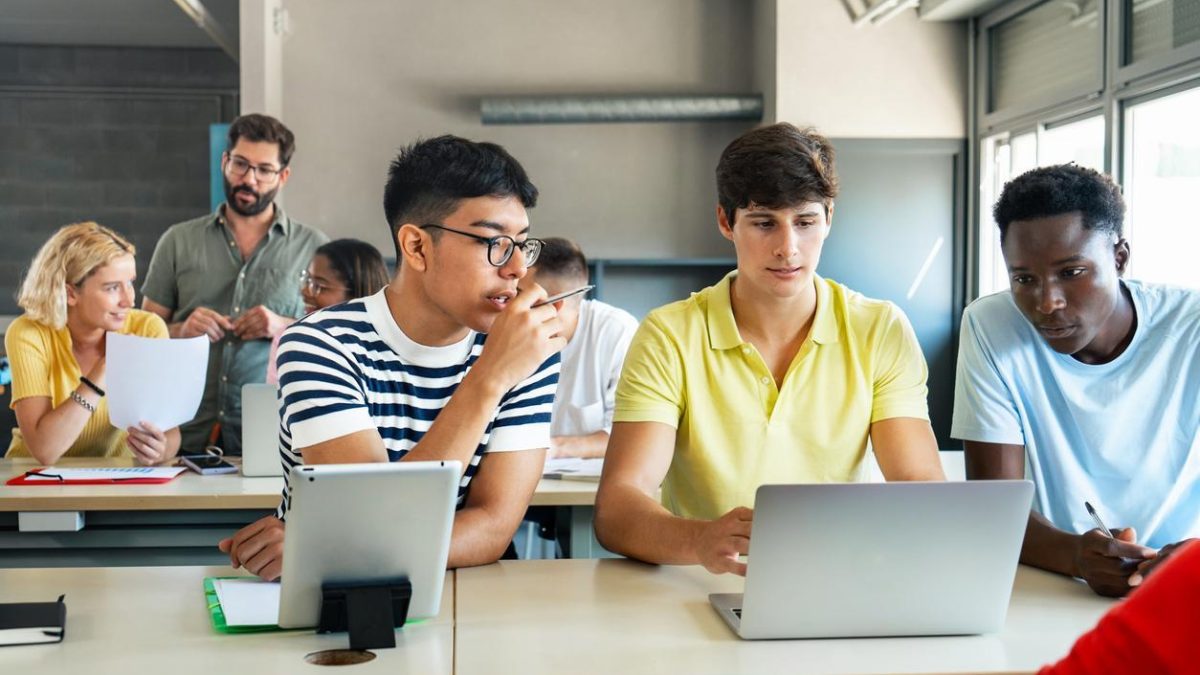

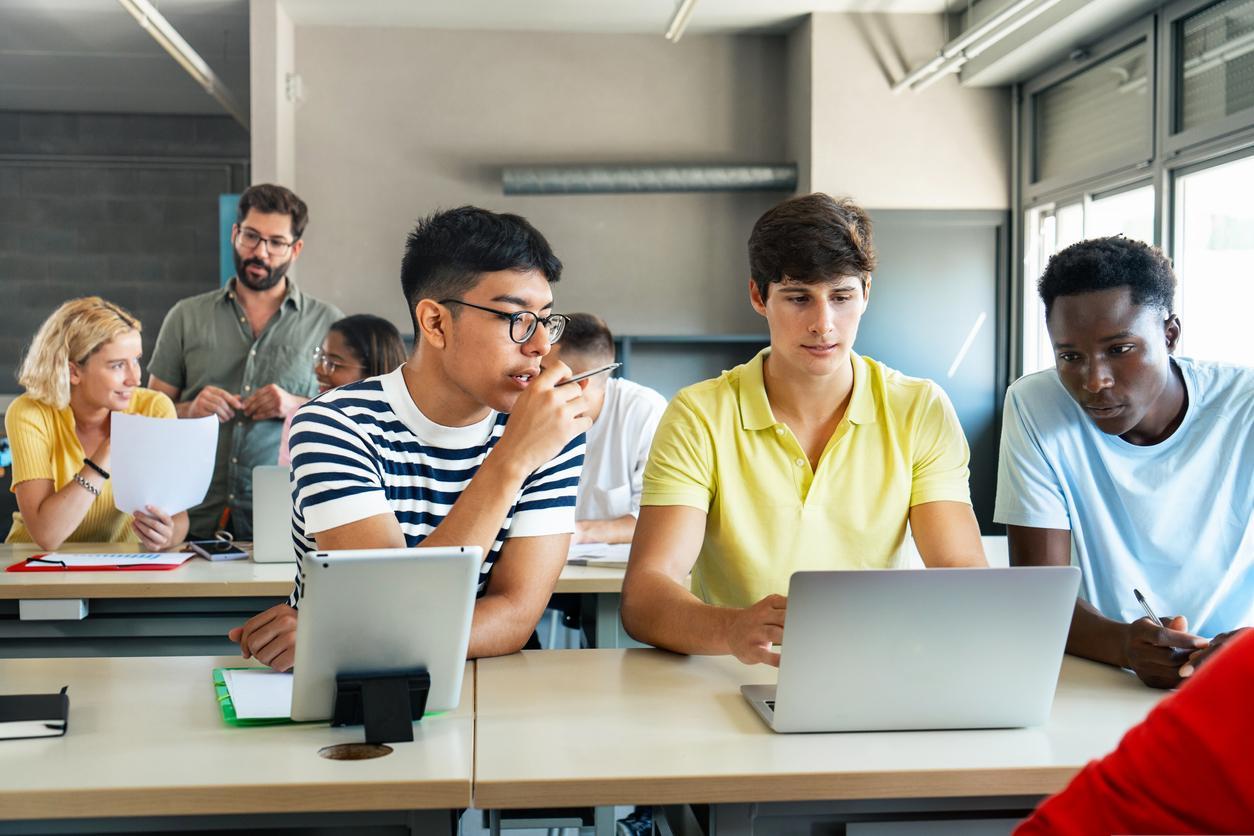
Collaborative learning has become one of the most effective instructional approaches for improving student understanding across grade levels and subject areas. Instead of relying only on teacher-led explanations, collaborative models engage students in shared thinking, discussion, and problem solving. When learners interact with peers, they clarify ideas, test assumptions, and deepen comprehension through meaningful participation.
Strong collaborative learning environments encourage students to take responsibility for their learning while supporting classmates through shared goals. These models strengthen both academic understanding and communication skills that remain valuable beyond the classroom.
This article explores collaborative learning models that improve understanding and explains how educators can implement them effectively in modern classrooms.
Understanding the Purpose of Collaborative Learning
Collaborative learning is more than group work. It involves structured interaction where students actively contribute ideas, evaluate perspectives, and construct knowledge together.
Effective collaboration helps students:
- Strengthen conceptual understanding
- Develop communication skills
- Practice critical thinking
- Build confidence in sharing ideas
- Improve retention of information
- Learn from diverse perspectives
Students often understand concepts more deeply when they explain ideas to peers rather than listening passively to lectures.
Collaborative environments also help learners recognize that understanding develops through discussion and reflection.
Peer Instruction Models
Peer instruction encourages students to explain concepts to one another during lessons. This approach improves comprehension because students often communicate ideas using language that classmates easily understand.
Peer instruction typically includes:
- Short concept explanations from teachers
- Individual thinking time
- Peer discussion opportunities
- Whole-class clarification
When students explain reasoning to classmates, they strengthen their own understanding while helping others learn.
Peer instruction works especially well in mathematics, science, and language learning classrooms.
Students gain confidence when they participate actively rather than observing passively.
Think Pair Share Learning Structures
Think Pair Share is one of the most widely used collaborative learning models because it supports participation from all students.
This structure includes three stages:
Think
Students reflect independently on a question or problem.
Pair
Students discuss their responses with a partner.
Share
Pairs contribute ideas to the larger group or class discussion.
This model encourages thoughtful participation before public speaking.
Students who hesitate to speak in large groups often feel more comfortable sharing ideas with partners first.
Think Pair Share improves both engagement and understanding.
Small Group Problem Solving Models
Small group problem solving encourages students to work together toward shared solutions. These activities help learners explore multiple strategies and perspectives.
Effective small group collaboration includes:
- Clearly defined learning objectives
- Structured group roles
- Guided discussion prompts
- Shared accountability for outcomes
Group problem solving supports deeper learning because students must explain reasoning rather than memorizing procedures.
Students also develop teamwork skills that support future academic and professional success.
Project Based Collaborative Learning
Project based learning allows students to investigate complex topics through extended collaboration. This model encourages sustained engagement and deeper exploration.
Collaborative project based learning often includes:
- Research activities
- Planning responsibilities
- Group presentations
- Reflection opportunities
- Real world problem connections
Students strengthen understanding when they apply knowledge to meaningful contexts.
Projects also help learners connect classroom concepts with real life applications.
Collaborative projects encourage responsibility and creativity.
Cooperative Learning Role Structures
Cooperative learning models assign specific responsibilities within groups to ensure balanced participation.
Common group roles include:
- Discussion facilitator
- Recorder
- Research coordinator
- Presenter
- Time manager
Role assignment helps prevent unequal participation and encourages accountability.
Students understand expectations more clearly when responsibilities are defined.
Structured roles improve group efficiency and learning outcomes.
Collaborative Writing Models
Collaborative writing activities strengthen both literacy development and content understanding.
Students working together on writing tasks:
- clarify ideas through discussion
- improve vocabulary usage
- strengthen organization skills
- refine argument development
- practice peer editing strategies
Collaborative writing helps students learn how ideas evolve through conversation and revision.
Writing becomes a shared thinking process rather than an isolated task.
This model supports understanding across subject areas.
Inquiry Based Collaborative Learning
Inquiry based collaboration encourages students to explore questions rather than memorize answers.
Students work together to:
- develop research questions
- gather evidence
- evaluate information sources
- interpret findings
- present conclusions
Inquiry based learning strengthens analytical thinking.
Students develop deeper understanding when they investigate concepts actively.
Collaboration helps learners test ideas through discussion.
Jigsaw Learning Strategy
The Jigsaw model divides learning topics into sections that students master individually before teaching classmates.
This process includes:
- assigning topic sections to group members
- expert group discussions
- peer teaching sessions
- group synthesis activities
Students become responsible for teaching part of the lesson.
Teaching others strengthens understanding significantly.
The Jigsaw strategy promotes accountability and cooperation simultaneously.
Students recognize their role in supporting group success.
Technology Supported Collaborative Learning
Digital tools expand opportunities for collaboration beyond traditional classrooms.
Technology supported collaboration includes:
- shared documents
- online discussion boards
- virtual breakout sessions
- collaborative presentations
- digital brainstorming tools
Technology allows students to collaborate across time and location boundaries.
Digital collaboration supports flexible learning environments.
Students develop communication skills that match modern workplace expectations.
Discussion Based Learning Communities
Discussion based classrooms encourage students to explore ideas through structured conversations.
Effective discussion communities include:
- open ended questions
- respectful listening expectations
- evidence based reasoning
- multiple perspectives
- reflection opportunities
Discussion strengthens understanding by encouraging students to explain thinking processes.
Students become active contributors to learning conversations.
Discussion based learning supports confidence development.
Peer Feedback Models
Peer feedback improves understanding by encouraging students to evaluate work thoughtfully.
Structured peer feedback activities include:
- reviewing assignments using rubrics
- offering revision suggestions
- discussing improvement strategies
- reflecting on learning progress
Providing feedback strengthens analytical thinking.
Students learn by evaluating both their own work and others’ work.
Peer feedback also improves communication skills.
Collaborative Concept Mapping Activities
Concept mapping helps students organize information visually while working together.
Collaborative concept mapping supports:
- identifying relationships between ideas
- organizing complex topics
- strengthening memory connections
- improving problem solving strategies
Students deepen understanding when they see how ideas connect.
Concept mapping strengthens both comprehension and retention.
Visual collaboration benefits many learning styles.
Building Classroom Norms That Support Collaboration
Collaborative learning succeeds when classrooms establish supportive expectations.
Effective collaboration norms include:
- respectful listening
- equal participation opportunities
- shared responsibility
- constructive feedback practices
- encouragement of diverse perspectives
Students participate more confidently when expectations remain clear.
Positive collaboration environments support academic growth.
Classroom culture influences participation quality significantly.
Teacher Facilitation in Collaborative Learning Models
Teachers play an important role in guiding collaboration effectively.
Facilitation responsibilities include:
- setting clear learning goals
- monitoring group interactions
- providing discussion prompts
- supporting conflict resolution
- encouraging reflection
Effective facilitation ensures collaboration supports understanding rather than distraction.
Teachers help students remain focused on learning objectives.
Guided collaboration produces stronger outcomes than unstructured group activities.
Assessing Learning in Collaborative Environments
Assessment strategies should reflect both group participation and individual understanding.
Effective collaborative assessment methods include:
- group presentations
- reflective journals
- participation tracking
- shared project outcomes
- peer evaluation activities
Balanced assessment ensures accountability.
Students remain motivated when contributions are recognized fairly.
Assessment supports both cooperation and responsibility.
FAQ Section
How does collaborative learning improve long term knowledge retention
Students remember information more effectively when they discuss ideas, explain reasoning, and apply concepts with peers.
Can collaborative learning support students who are shy or hesitant to participate
Yes structured collaboration models such as partner discussions provide comfortable entry points for participation.
What subjects benefit most from collaborative learning approaches
Collaborative learning supports all subjects including mathematics science language arts social studies and career education programs.
How can teachers manage unequal participation within groups
Assigning structured roles and monitoring interactions helps ensure balanced contributions from all students.
Does collaborative learning replace direct instruction completely
Collaborative learning complements direct instruction by reinforcing concepts through interaction rather than replacing teacher explanations.
How can schools support teachers implementing collaborative learning models
Schools can provide professional development planning time and classroom resources that support group learning strategies.
What role does reflection play in collaborative learning environments
Reflection helps students evaluate group experiences recognize learning progress and improve future collaboration skills.
